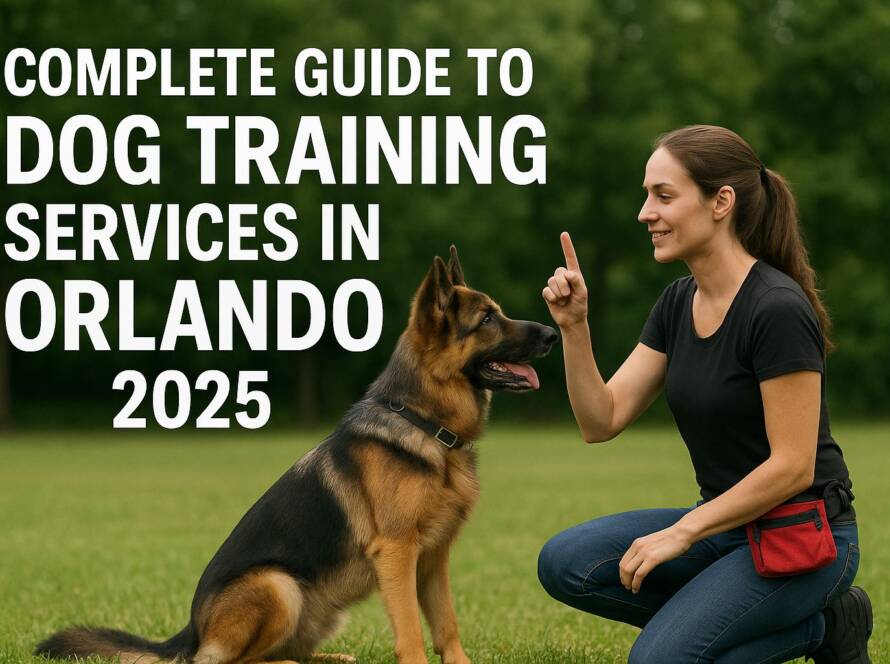



Quick Overview of the Article
- Training a Cane Corso requires a unique approach that takes into account their protective instincts, large size, and natural guarding tendencies
- Early socialization is key for Cane Corsos to prevent aggression based on fear and to ensure they can confidently navigate different environments
- The Boot Camp at Elite Professional Dog Training offers a structured environment where your Cane Corso can learn boundaries, impulse control, and appropriate behavioral responses
- Establishing clear leadership and consistent boundaries are fundamental principles when training this powerful breed
- Even adult Cane Corsos with existing behavioral problems can be successfully trained with the right approach and professional guidance
Imagine this: Your regal Cane Corso, a breed known for its impressive size and protective nature, lunges at every dog that passes by during your walks in the neighborhood. Or maybe your 120-pound companion is pulling you across the parking lot while you desperately hold onto the leash. These situations are not just embarrassing—they’re dangerous for a breed as powerful as the Cane Corso. At Elite Professional Dog Training, we’ve seen these problems time and time again and have developed specialized techniques that turn these magnificent protectors into well-behaved companions.
Cane Corsos are not your typical family dog. This old Italian mastiff breed has a unique combination of smarts, protective instincts, and physical strength that requires a special training approach. Without the right guidance, these natural protectors can become overly protective, territorial, and difficult to manage, turning what should be a loyal protector into a potential problem. The good news? With the right training approach, your Cane Corso can become the confident, obedient, and balanced pet you’ve always wanted.
This complete guide will take you through our specialized boot camp program, where we have successfully trained dozens of Cane Corsos in Orlando, Sanford, and Central Florida. You will learn about the five core training principles that can turn even the most difficult Corso around, learn how to deal with breed-specific behavioral issues, and get insights into maintaining training success in the long term. Whether you’re dealing with a difficult adult or starting from scratch with a puppy, you’re about to find out why every Cane Corso can be trained with the right approach.
Why Cane Corsos Require Unique Training Methods
Grasping Your Cane Corso’s Protective Instincts
Cane Corsos have been bred for hundreds of years to protect property and family, and this deeply ingrained genetic programming greatly influences their behavior. Your Corso isn’t being stubborn or difficult when they show suspicion toward strangers or other animals—they’re following ancestral instincts that once made them invaluable protectors. These protective instincts can manifest as territorial behavior around the home, wariness of unfamiliar people, and protective responses when they perceive threats to their family. Understanding this fundamental aspect of your dog’s psychology is essential for effective training because it allows you to work with their natural tendencies rather than against them.
Training your Cane Corso to discern between real threats and everyday scenarios is where the difficulty lies. Without the right training, these dogs can make these decisions on their own, often choosing to protect, which can lead to improper aggression or fear responses. The unique training methods we use at Elite Professional Dog Training aim to teach your Corso that you are the one in control, allowing them to relax and look to you for direction in uncertain situations. This takes the pressure of always being on guard off of them and creates a more balanced temperament.
Early Socialization: The Building Block of a Well-Behaved Dog
The socialization window for puppies closes surprisingly early—around 16 weeks—making early exposure to various environments, people, and situations absolutely essential for Cane Corsos. A properly socialized Corso learns that new experiences aren’t scary, developing bravery rather than fear-based responses. This early building block significantly reduces the chance of developing aggression or anxiety later in life. For Cane Corso owners in Central Florida, this means taking your puppy to dog-friendly locations in Sanford, Winter Park, and throughout Orlando to experience different environments, surfaces, sounds, and social interactions.
If you’ve adopted or bought an adult Cane Corso who hasn’t been socialized much, it’s going to be a little more difficult to socialize them, but it’s still doable. Instead of exposing them to lots of different things, you’ll need to use counter-conditioning and desensitization techniques. In our Train & Play program, we slowly introduce them to controlled social situations and teach them how to react appropriately. It takes longer to socialize an adult dog, but with consistent professional help, even a Cane Corso who hasn’t been socialized much can learn to be confident in social situations.
Typical Behavioral Issues for This Breed
Cane Corsos have a distinct set of training challenges that set them apart from other breeds. The combination of their intelligence, strength, and protective instincts can lead to specific behavioral issues that need to be addressed with targeted training methods. Leash reactivity is a common problem, as these dogs naturally want to control their environment and can become frustrated by the limitations of a leash. Resource guarding behaviors—protecting food, toys, or even their favorite humans—can also develop without the right training and can quickly become a serious issue in a dog of this size.
Many Cane Corso owners find their dogs to be “stubborn,” a trait that is often just the dog making its own decisions instead of obeying commands. This tendency towards independence comes from their history as working dogs, where they often had to make judgment calls while guarding. Other common issues include destructive behaviors when they get bored, excessive barking at anything they see as a threat, and difficulty accepting new people into their homes or territory. Each of these behaviors needs specific training protocols that address both the behavior and what’s causing it.
The 5 Pillars of Dreko’s Training Approach for Strong Breeds
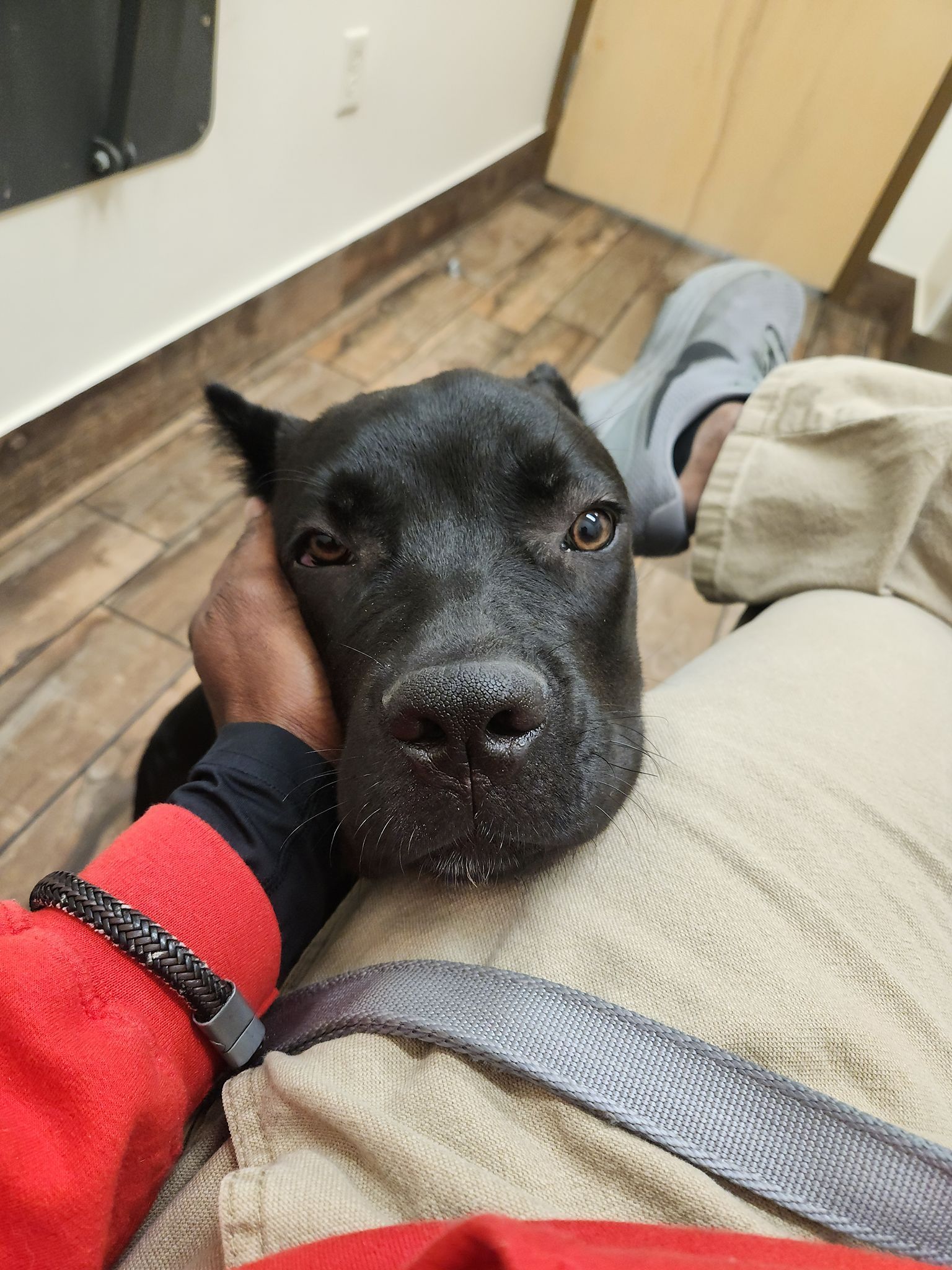
1. Assert Your Leadership Role Immediately
- Establish structured daily routines that reinforce your role as the decision-maker
- Adopt the “nothing in life is free” approach where your Corso must obey a command before receiving any reward
- Enforce controlled entry/exit protocols for doorways, feeding times, and play sessions
- Exhibit calm, confident body language that shows leadership without intimidation
- Ensure consistent response patterns to behaviors, eliminating confusion about expectations
Leading a Cane Corso doesn’t mean dominating or using force—it means giving clear guidance that allows your dog to relax and trust your decisions. When training Cane Corsos at our Orlando facility, we assert ourselves as calm, confident leaders who set clear expectations right from the start. Your Corso naturally seeks a hierarchy, and if they don’t see clear leadership, they’ll assume the role themselves—often with undesirable results. By consistently showing that you control resources (food, toys, attention) and make decisions about when activities start and stop, you satisfy their need for order without conflict.
2. Setting Boundaries Consistently
Setting boundaries is likely the most important part of training a Cane Corso. These strong dogs require rules that are always clear and never change. At Elite Professional Dog Training, we set physical boundaries (where the dog can and can’t go), social boundaries (how to interact with people and other animals correctly), and behavioral boundaries (what behaviors are okay). If boundaries are inconsistent—for example, letting your Corso on the furniture sometimes but not others—it causes confusion and testing behaviors. For a breed that naturally wants to protect, this confusion can lead to more anxiety and protective behaviors.
It’s important to start setting boundaries early and make sure everyone in the family sticks to them. We’ve noticed at our Central Florida training center that Cane Corsos who know what the rules are tend to be more confident because they know where they stand in the family. Physical boundaries can be things like where they’re allowed to sleep, whether they can get on the furniture, and which rooms they’re allowed in. Social boundaries can be things like how they should behave when someone comes to visit and how they should play with other dogs. If you’re clear about what you expect and you always reinforce it, your Corso will learn to be confident in their world.
3. Timely and Correctly Delivered Positive Reinforcement
Positive reinforcement works well for Cane Corsos, but it must be delivered in the right way and at the right time to be effective. Unlike some breeds that are always eager to please, Corsos are not usually motivated by excessive praise or excited reactions, and these can actually undermine your position as the leader. Instead, the most effective rewards are those that are calm, measured, and delivered immediately after the behavior you want to reinforce. In our private training sessions, we teach owners how to time their reinforcement correctly so that it works with this breed, which tends to be independent-minded.
For the best results, the reinforcement you use should be tailored to your dog’s unique motivations. Some Corsos are motivated by food, while others respond better to short play sessions or their favorite toy. We have found that many Cane Corsos prefer a gentle chest rub over enthusiastic petting. It’s important to identify what your dog values and use it strategically, not randomly. This targeted approach to reinforcement strengthens the neural pathways for the behaviors you want, while preserving the dignity that is natural to this noble breed. For more insights, you can explore our guide on transforming your dog’s behavior.
4. The Importance of Physical Activity
Training a Cane Corso becomes significantly easier when they’re physically content. Despite their intimidating size, Corsos were originally bred as working dogs, meaning they require consistent and meaningful exercise to stay physically and mentally healthy. In Orlando’s climate, it’s crucial to time these exercise sessions correctly—early mornings or evenings will help prevent overheating while ensuring your dog gets the physical activity they need. The kind of exercise also makes a difference; simple ball-chasing often doesn’t provide the structured activity these dogs need. Instead, controlled walks with training elements, structured playtime, and physical tasks that engage the body and mind tend to yield better results.
At Elite, we understand that different breeds require different types of physical challenges during their training. For Cane Corsos, we focus on their natural athleticism and control. We have them play fetch, navigate obstacles, and play tug of war in a controlled manner. We suggest that they get 45-60 minutes of exercise daily, spread out throughout the day to prevent joint strain. This also aligns with their natural activity patterns.
5. Techniques for Mental Stimulation
One of the most neglected aspects of training a Cane Corso is providing enough mental stimulation. These dogs are extremely smart and need as much mental exercise as physical. A Corso that has been mentally exercised is less likely to become destructive, bark excessively, or react out of frustration. We have years of experience training Cane Corsos in Sanford and throughout Central Florida and have developed mental stimulation techniques that challenge them in a way that is appropriate and reinforces the behaviors we want to see.
For Cane Corsos, good mental stimulation includes problem-solving games such as food puzzles that are appropriate for their size, scent work that makes use of their excellent tracking skills, and training sessions that introduce new ideas or chain together commands they’ve already learned in new sequences. For particularly smart dogs, we introduce discrimination tasks where they have to tell the difference between similar objects or follow more complicated command structures. These mental challenges not only keep them from getting bored but also help them build the cognitive flexibility that lets your Corso adapt to changes and new situations confidently instead of suspiciously.
What You Can Expect from the Boot Camp Experience
Customized Training Plan and Assessment
Each Cane Corso that joins our boot camp program is given a detailed behavioral assessment. This assessment looks at temperament, drive levels, response thresholds, and the existing training foundation. We don’t use a one-size-fits-all method—each dog, even those of the same breed, has unique challenges and learning styles. Your Corso may excel in some areas and struggle in others, and our assessment identifies these specific needs. We observe natural behaviors in a variety of settings during the evaluation period to understand how your dog processes information and responds to different stimuli. For additional tips on training your Cane Corso, you might find these Cane Corso dog training tips helpful.
After a thorough evaluation, we devise a personalized training plan that addresses your Cane Corso’s unique behavioral issues and builds on their existing strengths. For dogs that react to leashes, we may concentrate on threshold training and counter-conditioning. For those that guard resources, we put into action specific protocols to alter these defensive reactions. If your Corso has issues with strangers, controlled socialization is a top priority. The duration and intensity of training are adjusted to meet your dog’s needs—some need intensive behavior modification while others do better with structured obedience and boundary setting.
We keep owners in the loop about what they can realistically expect during the assessment and planning stages. Change isn’t going to happen in a day, especially with a breed as clever and self-sufficient as the Cane Corso. We’ll give you a truthful rundown of your dog’s particular issues and a clear idea of when you can expect to see progress, so you know exactly what the process is and what the end results should be.
- Comprehensive temperament evaluation including drive assessment
- Reactivity testing in controlled environments
- Response threshold measurements for various stimuli
- Evaluation of existing training foundation
- Assessment of handler-dog relationship dynamics
Daily Practice Routines
Maintaining the progress achieved during boot camp requires establishing consistent daily practice routines once your Cane Corso returns home. Set aside 15-20 minutes twice daily for focused training sessions that reinforce core commands and boundaries. These sessions shouldn’t be negotiable – they should become as routine as mealtimes. Start each session with a review of previously mastered commands before progressing to more challenging exercises, ensuring your Corso experiences success while continuing to develop new skills.
Outside of your designated training times, include “mini-training” sessions throughout your day. Request a sit before meals, exercise doorway control at each entrance, and reinforce calm behavior when visitors arrive. These short interactions keep you in the leadership role and reinforce to your dog that commands are applicable in all situations, not just during official training. For Cane Corsos in particular, regular daily practice stops the independent decision-making that can lead to protective or territorial behaviors reappearing.
Steady Training Techniques
It’s important to be consistent with the training techniques you use at home, mirroring those used during boot camp training to ensure a smooth transition and continued progress. When your Cane Corso returns from Elite’s boot camp, you’ll receive detailed instructions on exactly how to mark and reward behaviors correctly. Timing is key – you must reinforce within 1-2 seconds of the desired behavior to create clear associations. Equally important is maintaining a calm demeanor during reinforcement; getting overly excited can undermine the respectful relationship you’ve built with your powerful guardian breed.
When to Seek Additional Professional Support
Even after successful boot camp completion, there may be times when you need to seek additional professional support as your Cane Corso continues to mature. Be on the lookout for signs of regression such as renewed resource guarding, an increased suspicion of strangers, or a reluctance to follow commands that were previously mastered. These behaviors often emerge during developmental stages (particularly adolescence around 12-18 months) or following major changes in the household such as moving homes or adding new family members. Rather than waiting until small issues become big problems, get in touch with Elite Professional Dog Training for refresher lessons or specialized support at the first signs of behavioral change.
Success Stories from Cane Corsos Trained in Central Florida
From Orlando to Sanford and Lake Mary, Cane Corsos that have gone through Elite’s specialized training programs have gone from being difficult dogs to model canine citizens. These success stories prove that even the most challenging behavioral issues can be overcome with the right training approach and commitment from the owner. Each transformation is a testament to our core belief that EVERY dog can be trained with the right trainer – a belief that has consistently produced results with this powerful breed for more than thirty years.
From Menace to Marvel: Duke’s Makeover
When Duke showed up at our Sanford location, his Winter Park family was at their wits’ end. This 130-pound, two-year-old Cane Corso had bitten two guests, couldn’t be walked due to severe leash reactivity, and had started growling at family members who came near his food. After a thorough evaluation, we determined that Duke’s behaviors were due to insecurity rather than dominance – he didn’t have clear boundaries and felt he had to make protection decisions. Through our three-week boot camp program, Duke learned that his family would take care of potential threats, allowing him to relax and follow their lead.
It wasn’t an instant change, but with steady use of our particular Cane Corso methods, Duke’s nervousness lessened and his genuine character came out. Nowadays, he’s a representative for the breed, going with his owners to open-air events in Lake Mary and welcoming guests serenely at the door. His family says that he currently looks to them for guidance when he’s unsure rather than acting on his own – a sign of a well-adjusted guardian breed. Duke’s experience shows how even severe behavioral problems can be fixed when tackled with the right training methods.
Managing Multi-Dog Households
- Guiding Cane Corsos to harmoniously co-exist with smaller dogs in the home
- Setting up a clear pecking order to avoid competition over resources
- Developing safe protocols for separation during feeding and access to high-value resources
- Setting up structured group walks to reinforce pack order
- Teaching appropriate play behaviors between dogs of varying sizes and temperaments
When the Johnson family from Sanford decided to introduce a Cane Corso puppy into their home with two smaller, older dogs, they faced a difficult situation. Initial interactions were worrying – the young Corso, Bella, showed signs of resource guarding and her overly enthusiastic play frightened the older dogs. Through our Train & Play program, we introduced controlled integration protocols that respected the comfort level of each dog and set clear expectations for interactions between the dogs.
Fast forward eight months, and Bella has transformed into a kind-hearted giant who knows she must be careful around her smaller siblings due to her size. The Johnsons keep the peace by sticking to the feeding schedules and supervised playtimes we set up during training. Their triumph shows that with the right tools and knowledge, Cane Corsos can flourish in a busy home environment when they are trained correctly.
The Martinez family from Orlando also had a success story. They were able to successfully introduce their rescue Cane Corso to their senior Labrador. They achieved this by setting clear boundaries and following a gradual introduction process. Now, the dogs live together peacefully with clear rules about how they interact. The key to their success was teaching the Corso to control its impulses around the older dog and establishing the humans as the clear leaders who control all resources and privileges. For those interested in learning more about training methods, positive reinforcement techniques can be a valuable tool in achieving similar success.
Conclusion: The Value of a Well-Trained Cane Corso
Training a Cane Corso requires dedication, consistency, and a specialized approach – but the end results are transformational. A well-trained Corso is more than just a manageable pet; it’s a magnificent protector that knows exactly when to protect and when to be calm. The investment in professional training is worth it, as it leads to years of harmonious living with a breed that, when properly trained, provides unmatched loyalty, protection, and companionship.
Here at Elite Professional Dog Training, we’ve seen so many transformations that only strengthen our belief that every Cane Corso has the potential to be a well-behaved, obedient companion with the right training methods. Whether you’re dealing with an older dog with ingrained behaviors or starting from scratch with a new puppy, our specialized training programs offer the necessary structure, boundaries, and leadership that these wonderful guard dogs need. Life really does get easier when you train with Elite – especially when your training partner is a 120-pound Cane Corso with a heart as large as their protective instinct.
Common Questions
We’ve gathered the most frequently asked questions from Cane Corso owners in Central Florida about our specialized training programs. The answers below come from our many years of experience working with this strong breed in Orlando, Sanford, and the surrounding areas. If you have questions that are specific to your dog’s unique needs, we recommend that you book a consultation with our founder, Laurent Gabriel, who has over 35 years of experience with guardian breeds.
Our deep understanding of Cane Corsos comes from years of dedicated work with protection breeds, including training for police work and rehabilitating dogs with severe behavioral problems. This experience guides our approach to each Corso that comes into our programs, letting us tackle breed-specific problems with techniques that have been proven to work, respecting the dog’s natural instincts while setting up healthy boundaries.
Cane Corso Training Schedule
Puppy Basics (8-16 weeks): Simple obedience, socializing, handling acceptance
Adolescent Growth (4-12 months): Setting boundaries, controlling impulses, distraction exercises
Adult Training (12-24 months): Advanced obedience, managing protective behavior, public interaction skills
Ongoing Upkeep: Regularly reinforcing established behaviors throughout life
This schedule takes into account the growth stages of Cane Corsos and emphasizes the importance of continuous training throughout their development. While other breeds might mature more quickly, Corsos keep growing mentally until they’re about 2-3 years old, so ongoing training is vital for setting dependable behaviors. For more insights on how to transform your dog’s behavior, check out this guide.
Some owners wrongly think that a brief period of training is enough, but they later discover that their Corso’s behavior worsens as it grows up without ongoing guidance. Our most successful clients stick to the entire development timeline, adapting their training methods as their dog moves through each phase.
When should I start training my Cane Corso puppy?
As soon as your Cane Corso puppy comes home, which is usually around 8-10 weeks old, you should start training. This period is crucial for developing basic behaviors and social experiences that can prevent future issues. Begin with simple manners like gentle mouth control, sitting for attention, and calm greeting behaviors. Spend a lot of time on positive socialization experiences with various people, environments, and surfaces during the key developmental window that closes around 16 weeks. While formal obedience training is progressive, these early weeks create the relationship structure and prevent the development of fear responses that can later become aggression in this protective breed.
Is it possible to rehabilitate an adult Cane Corso with behavioral problems?
Definitely, even adult Cane Corsos with ingrained behavioral issues can be effectively rehabilitated with the correct strategy and owner dedication. At our training center in Orlando, we’ve dealt with many adult Corsos with serious problems such as aggression, extreme anxiety, and territorial behavior. The rehabilitation process usually takes longer for adults than for puppies, often requiring 3-6 weeks in our boot camp program followed by regular owner follow-up. Success relies on identifying and addressing the root causes of the behavior rather than just suppressing symptoms. Our 99% success rate with even the most difficult cases shows that this breed responds incredibly well to appropriate leadership and boundary setting, regardless of age or previous training history.
What is the typical duration of boot camp training for Cane Corsos?
Duration of Boot Camp by Training Objective
Basic Obedience: Minimum of 2 weeks
Moderate Behavioral Issues: Recommended 3-4 weeks
Severe Behavioral Problems: Often necessary 4-6 weeks
Protection/Guard Training: Custom timeline based on assessment
The length of boot camp training for Cane Corsos depends on the specific needs and starting point of your dog. For young Corsos without significant behavioral issues, our two-week program sets up solid obedience foundations and proper household manners. However, for this powerful guardian breed, our more comprehensive three-week program is often beneficial, allowing time to address breed-specific behaviors like protective responses and territorial tendencies. For additional insights, you can explore how to transform your dog’s behavior effectively.
If your Cane Corso has severe behavioral issues like aggression towards strangers, extreme leash reactivity, or resource guarding, our four-week program is for you. This program provides ample time for behavior modification and the formation of new habits. These longer programs also include in-depth owner training sessions to make sure you can continue your dog’s progress once they’re back home.
During the boot camp, your Cane Corso stays at our facility, where they get daily structured training, suitable exercise, and controlled socialization chances. This all-inclusive environment ensures constant boundary enforcement and immediate feedback—key factors for successful training with this smart, sometimes stubborn breed.
Elite’s boot camp isn’t just about teaching commands; it’s about reshaping how your Cane Corso perceives his role in your family and his responsibilities. This fundamental mindset change typically requires 3-4 weeks of consistent training to become reliable—especially with a breed predisposed to making independent protection decisions. For those interested in a comprehensive approach, consider exploring the complete guide to dog training services offered by Elite Pro Dog Training.
How does Elite Pro Dog Training’s approach to Cane Corsos differ from other training methods?
At Elite Professional Dog Training, we don’t just apply a one-size-fits-all training method. We understand that guardian breeds, like the Cane Corso, have a unique psychology that requires a tailored approach. These dogs are naturally protective, physically powerful, and highly intelligent, and we’ve developed training protocols that take these traits into account. We don’t try to work against their natural instincts, but instead, we use specialized techniques to manage their protective responses, establish leadership without using confrontational methods, and channel their guardian instincts in a positive way. For more insights, check out these Cane Corso dog training tips.
Our founder, Laurent Gabriel, has over 35 years of experience working with protection breeds, including professional training. This specific background has shaped our unique approach to Cane Corso training, which balances clear boundaries with respect for the breed’s dignity and working heritage. We know that a well-trained Corso should keep its protective nature while developing the discernment to distinguish between real threats and normal situations. For more insights on effective training techniques, explore our guide to transforming your dog’s behavior.
Moreover, our training program includes a detailed owner education section that is tailored to managing strong guardian breeds. We don’t just train your dog; we give you the skills, knowledge, and self-assurance to maintain control over your Cane Corso for the long haul. Our all-encompassing approach has won us Orlando’s Best Silver Award and has solidified our reputation as the preferred training solution for complex Cane Corso cases all over Central Florida.
What steps can I take to make sure my dog keeps up with their training after boot camp?
To make sure your Cane Corso stays on track with their training, you need to keep up the same structure and boundaries they had during boot camp. Before your dog comes home, you’ll take part in transfer training sessions. These sessions will teach you how to reinforce behaviors and stay in control. The owners who have the most success are the ones who stick to our post-boot camp program exactly. They understand that if they don’t follow these steps, their dog might start to regress—especially since this breed is known for being independent and protective.
Training a Cane Corso requires daily practice. Make sure to have 15-minute training sessions twice a day to reinforce the basic commands and boundaries. These sessions should be consistent with the same cues used during the boot camp. Also, incorporate what we call “life training”. This means that the dog has to follow commands before getting privileges such as sitting before meals, waiting at doorways, and maintaining position during greetings. This consistent reinforcement will prevent your Corso from making independent decisions about how to respond to different situations.
Managing your Cane Corso’s environment is key to their success. Many owners unknowingly set their dogs up for failure by quickly reintroducing them to situations that cause their protective instincts to kick in. You should slowly reintroduce your dog to potentially stimulating environments, making sure to remain the clear leader. For instance, have visitors come into your home in a controlled manner before you host a large party, and reinforce leash manners in quiet areas before you try to take them to a busy park.
For many Cane Corso owners, we suggest setting up follow-up meetings at 2 weeks, 1 month, and 3 months after finishing boot camp. These check-ins let us tackle any new issues before they become long-term problems and assist in fine-tuning your handling methods as your dog continues to grow. Keep in mind that the cost of this ongoing support is a small fraction of the boot camp cost, but it greatly enhances long-term success. Schedule a consultation with Orlando’s Top Dog Trainer to find out how Elite Professional Dog Training can change your relationship with your Cane Corso.
Work With Elite Professional Dog Training
Ready to see this with your own dog? Explore our Board & Train Boot Camp and Dog Boarding in Sanford & Orlando, FL, or book your consultation today.